PGR Weed Explained: Why Rock-Hard Synthetic Buds Are Low-Quality and Hazardous
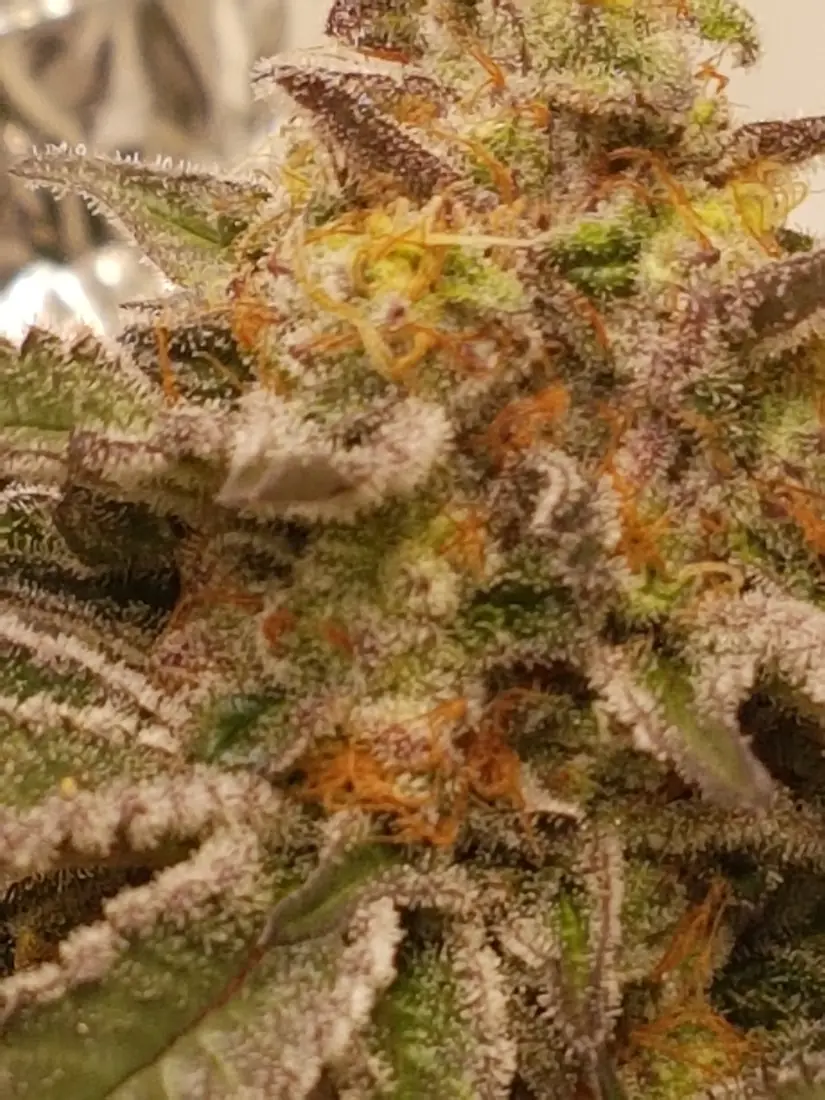
To an untrained eye, the buds might look impressively dense at first glance: round like pebbles, rock-hard, unusually heavy on the scale and covered in a thick mat of rust-orange hairs. Yet when broken open, the glittering blanket of resin glands is almost entirely missing, and instead of rich terpenes the flower smells flat like hay or wet cardboard. This guide explains what synthetic PGR weed is, how to spot it immediately, and what toxicological studies say about inhaling synthetic growth regulators.
Important note (No medical advice): This article summarises peer-reviewed toxicological and plant-physiological literature as well as regulatory assessments for educational harm-reduction purposes. It makes no promises of cure.
1. What Are Synthetic PGRs (Plant Growth Regulators) & How Do They Work?
In horticulture, synthetic growth retardants were developed for non-edible ornamental potted plants to inhibit gibberellin biosynthesis and keep stems compact.[4] Three synthetic chemicals have repeatedly been found in illicit commercial cannabis production:[1][2][3] well established
- Paclobutrazol (PBZ): A triazole compound that blocks cytochrome P450 monooxygenases in the gibberellin pathway, halting internode elongation and forcing dense, woody floral clusters.[1][4]
- Daminozide (“Alar”): A succinic acid hydrazide growth retardant banned on food crops decades ago due to carcinogenic breakdown products.[2][4]
- Chlormequat chloride (CCC): A quaternary ammonium salt that inhibits early gibberellin synthesis (ent-kaurene synthase).[4]
2. Why PGR Weed Looks Dense to Beginners but Has Inferior Quality
Illicit commercial growers use synthetic PGRs solely to maximise wet and dry weight per square metre. However, blocking the gibberellin/isoprenoid pathway simultaneously impairs the development of glandular trichomes, drastically reducing terpene aroma and cannabinoid concentration while packing the bud with dense cellulose and sterile brown stigmas.[2][4]
3. Comparison Table: Natural Craft Cannabis vs. Synthetic PGR Weed
| Criterion | Natural Quality Cannabis | Synthetic PGR Weed (Red Flags) |
|---|---|---|
| Visual Structure | Cultivar-typical calyx stacking with natural contours. | Unnaturally smooth, rounded “golf-ball” or pebble-like nuggets.[2] |
| Touch & Density | Firm yet slightly springy and sticky with resin. | Rock-hard like a pebble or oddly dry-spongy; almost zero stickiness. |
| Trichome Coverage | Dense frosty carpet of stalked glandular trichomes. | Drastically reduced trichome density; dull, crystal-poor interior. |
| Pistils (Stigmas / Hairs) | Normal proportion of white-to-amber pistils. | Excessive mat of countless short brown/red-orange hairs covering the bud.[2] |
| Aroma & Terpenes | Rich, cultivar-specific terpene bouquet when ground. | Severely muted: flat hay, wet cardboard or harsh chemical smell. |
| Smoke & Ash | Smooth vapour/smoke when properly dried and cured. | Harsh throat hit, acrid chemical aftertaste. |
4. Documented Health & Toxicological Risks When Smoked or Vaped
- High smoke transfer (Sullivan et al. 2013): Using GC-MS smoke-trapping experiments, Sullivan et al. (2013, Journal of Toxicology) demonstrated that up to 69.5% of paclobutrazol residues on cannabis flowers transfer directly into inhaled mainstream smoke.[1]
- Concentrate contamination (Raber et al. 2015): Over 22% of unregulated California cannabis concentrates tested by Raber et al. (2015) contained paclobutrazol.[3]
- Daminozide & carcinogenic UDMH: Daminozide is classified by the US EPA as a probable human carcinogen and breaks down upon heating/pyrolysis into unsymmetrical dimethylhydrazine (UDMH).[2][4] Paclobutrazol has documented hepatotoxicity and reproductive toxicity in animal studies and is banned on consumable/inhalable crops by the EPA, EFSA and Australian TGA.[2]
5. Synthetic Chemical PGRs vs. Natural Organic Biostimulants (Kelp, Alfalfa & Chitosan)
Plant science strictly distinguishes toxic synthetic growth retardants from safe natural organic biostimulants (du Jardin 2015), such as cold-pressed kelp/seaweed extract (Ascophyllum nodosum), alfalfa meal (natural triacontanol) and chitosan, which gently support root health and stress resilience in organic Living Soil without residues.[5]
Flo’s Practical Takeaway

My motto is always: “Understand nature, then copy nature.” With good genetics, proper LED light, a healthy root system and clean organic or balanced nutrition, cannabis produces dense, resin-drenched and terpene-rich flowers all on its own. Knowing 100% what went into your soil and water is one of the greatest benefits of legal home cultivation!
Note: personal experiences are subjective and are not a recommendation.
🌍 Translation note: This article was originally written in German and carefully translated. Are you a native speaker and noticed a phrasing or botanical term that could be improved? Feel free to message us at [email protected] or on X (@MisterSm3ilz420) – all contributors are honoured on request in our Language Patrons Acknowledgements!
Sources
All links last checked on 22 Oct 2026.
- Sullivan N, Elzinga S, Raber JC (2013): Determination of Pesticide Residues in Cannabis Smoke. Journal of Toxicology 2013:378168. doi:10.1155/2013/378168 experimental study
- Lenton S, Frank VA, Barratt MJ, Potter GR, Decorte T (2018): Growing practices and the use of potentially harmful chemical additives among a sample of small-scale cannabis growers in three countries. International Journal of Drug Policy 58:12–21. doi:10.1016/j.drugpo.2018.06.009 study
- Raber JC, Elzinga S, Kaplan C (2015): Understanding Dabs: Contamination Concerns of Cannabis Concentrates and Cannabinoid Transfer During the Act of Dabbing. Journal of Analytical Toxicology 39(8):576–586. doi:10.1093/jat/bkv050 analysis of retail samples
- Rademacher W (2000): Growth Retardants: Effects on Gibberellin Biosynthesis and Other Metabolic Pathways. Annual Review of Plant Physiology and Plant Molecular Biology 51:501–531. doi:10.1146/annurev.arplant.51.1.501 review
- du Jardin P (2015): Plant biostimulants: Definition, concept, main categories and regulation. Scientia Horticulturae 196:3–14. doi:10.1016/j.scienta.2015.09.021 review